
 English
 中文简体
中文简体 русский
 Español
 Deutsch


Progressiver Fangvorrichtungsaufzug: Mechanismus, Typen und Auswahl
Inhalt
- 1 Was ist eine progressive Sicherheitsausrüstung?
- 2 Wie fortschrittliche Sicherheitsausrüstung funktioniert
- 3 Technische Spezifikationen und Leistungsfaktoren
- 4 Arten von Aufzugssicherheitsausrüstung
- 5 Progressive vs. sofortige Sicherheitsausrüstung: Hauptunterschiede
- 6 Anwendungsszenarien
- 7 Überlegungen zur Auswahl
- 8 Installations-, Test- und Wartungsempfehlungen
- 9 Häufige Fehler und übersehene Überlegungen
- 10 Wer verwendet Aufzugssicherheitsausrüstung und wann gilt sie?
- 11 Branchentrends und Zukunftsaussichten
- 12 Fazit
- 13 Häufig gestellte Fragen
- 13.1 Was ist eine progressive Sicherheitsausrüstung?
- 13.2 Was ist die Sicherheitsausrüstung in einem Aufzug?
- 13.3 Wie viele Arten von Sicherheitsausrüstung gibt es in einem Aufzug?
- 13.4 Was ist der Unterschied zwischen sofortiger und progressiver Fangvorrichtung?
- 13.5 Wer nutzt die Aufzugsicherungsausrüstung?
- 13.6 Wann sollte eine progressive Fangvorrichtung verwendet werden und wann nicht?
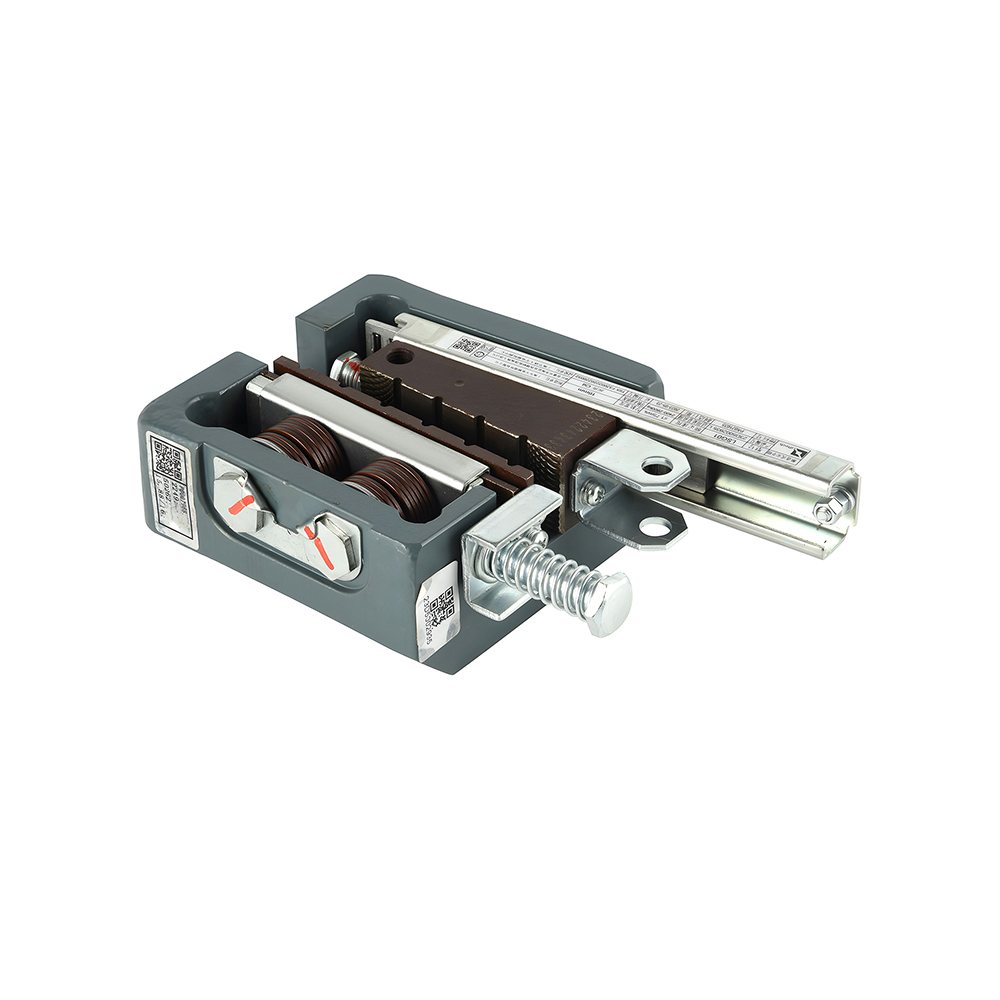
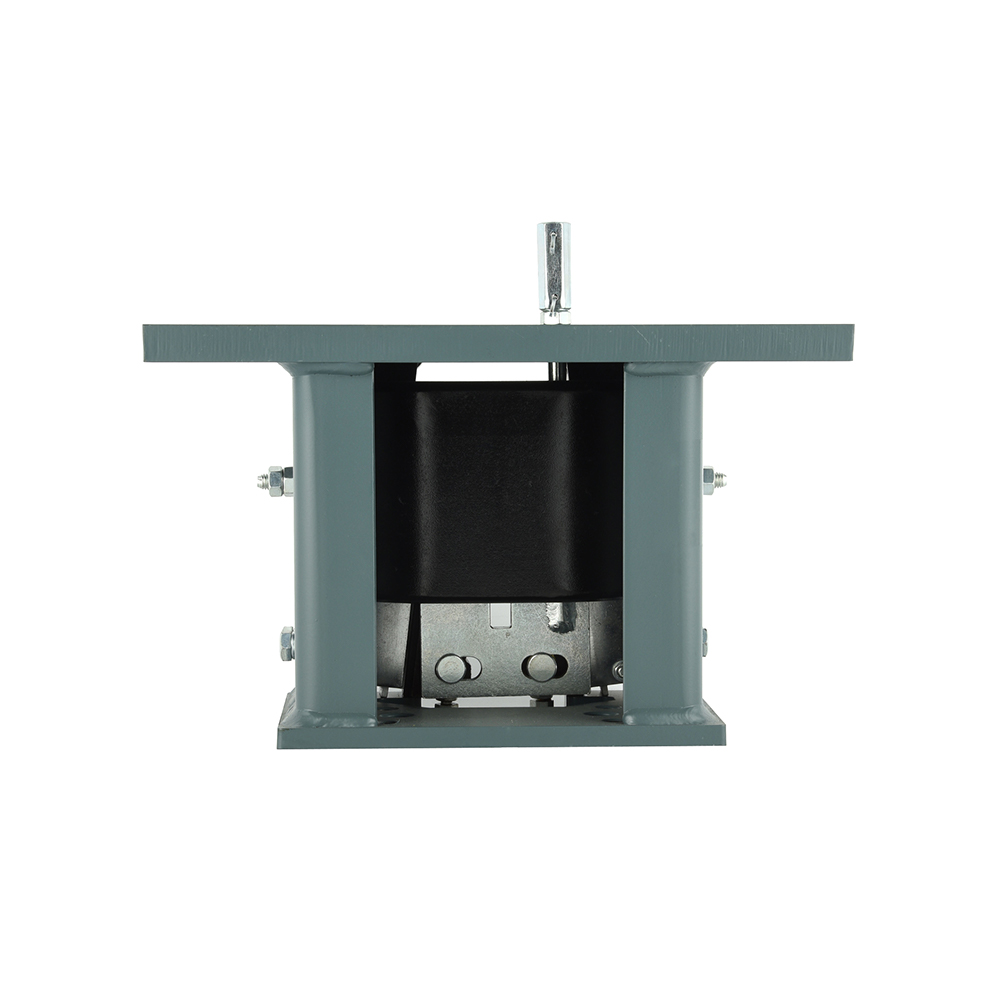
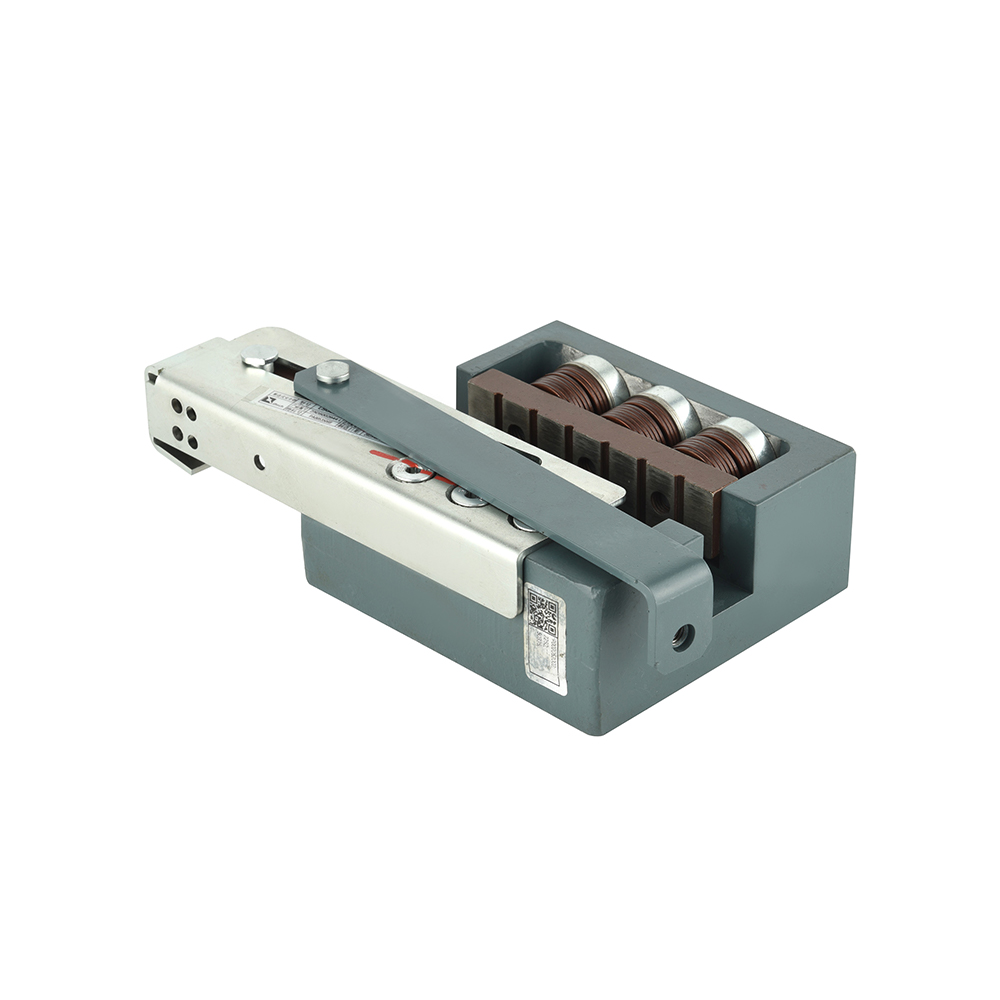
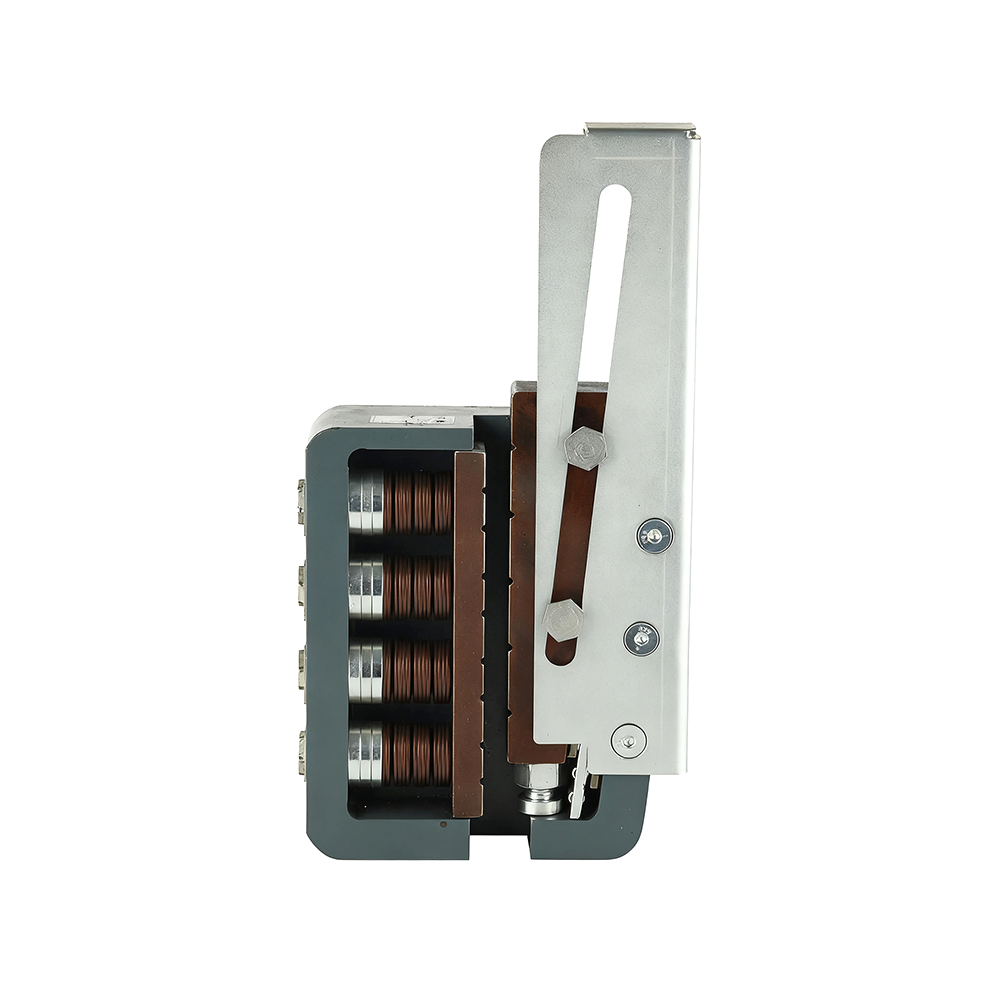
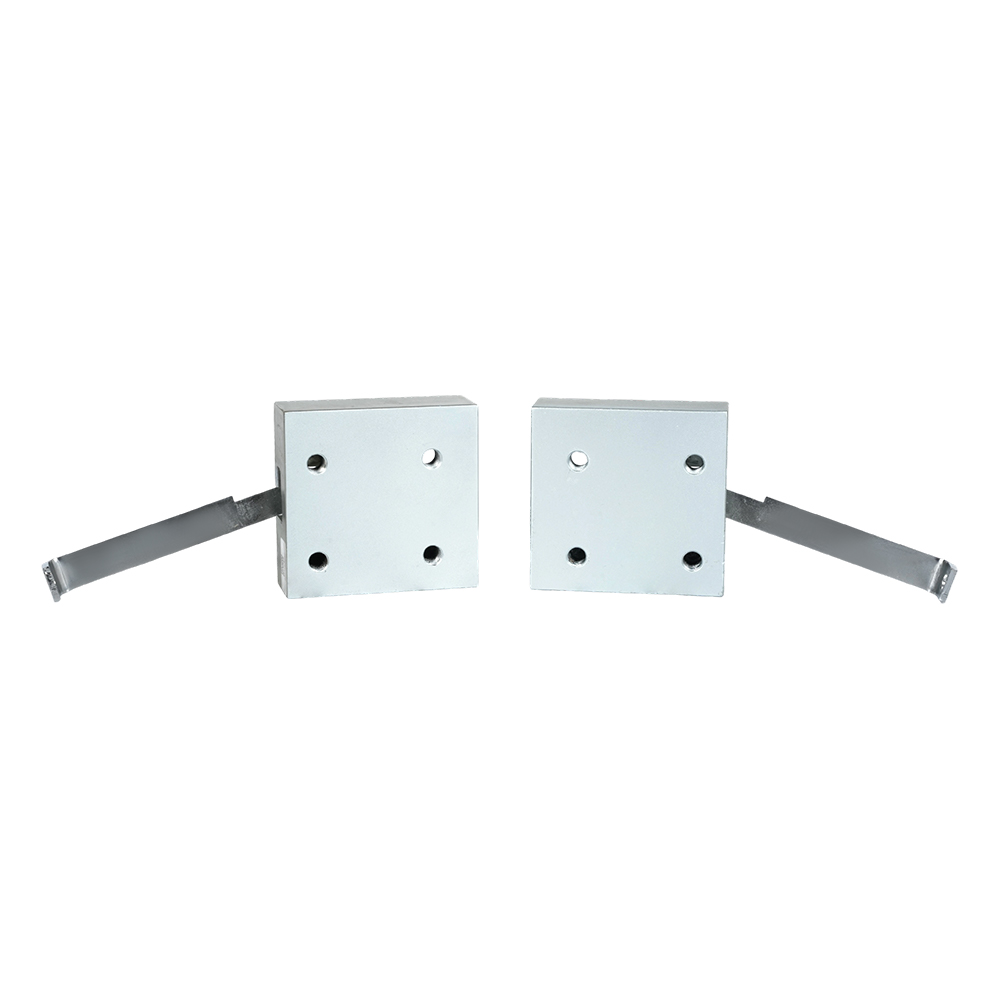
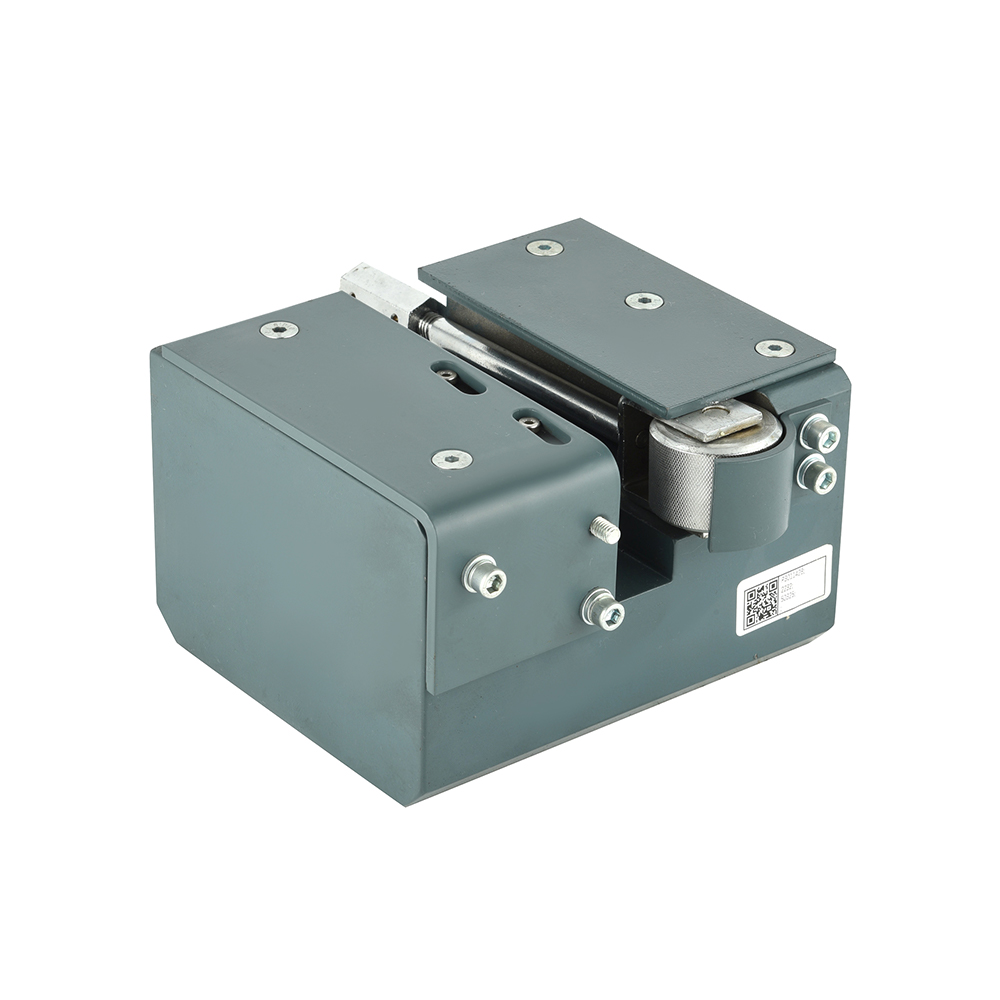
Fortschrittlicher Sicherheitsaufzug Systeme sind mechanische Übergeschwindigkeitsschutzvorrichtungen, die eine absteigende Aufzugskabine durch allmähliches Festklemmen an den Führungsschienen zum kontrollierten Stoppen bringen, anstatt sie abrupt anzuhalten. Diese allmähliche Bremswirkung unterscheidet progressive Fangvorrichtungen von sofortigen Konstruktionen und macht sie zur Standardwahl für Aufzugsanlagen mit höherer Geschwindigkeit, bei denen ein plötzlicher Stopp eine übermäßige mechanische Belastung für Kabine, Seile und Passagiere bedeuten würde.
Was ist eine progressive Sicherheitsausrüstung?
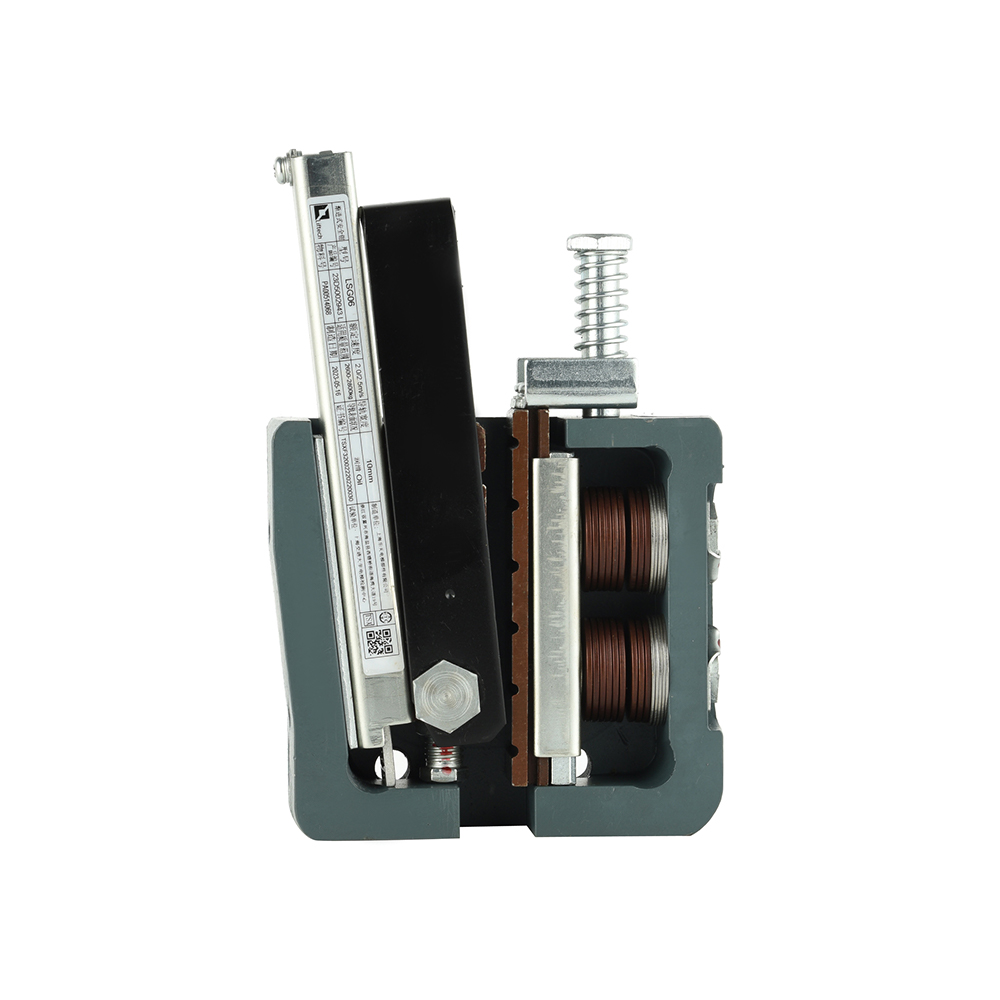
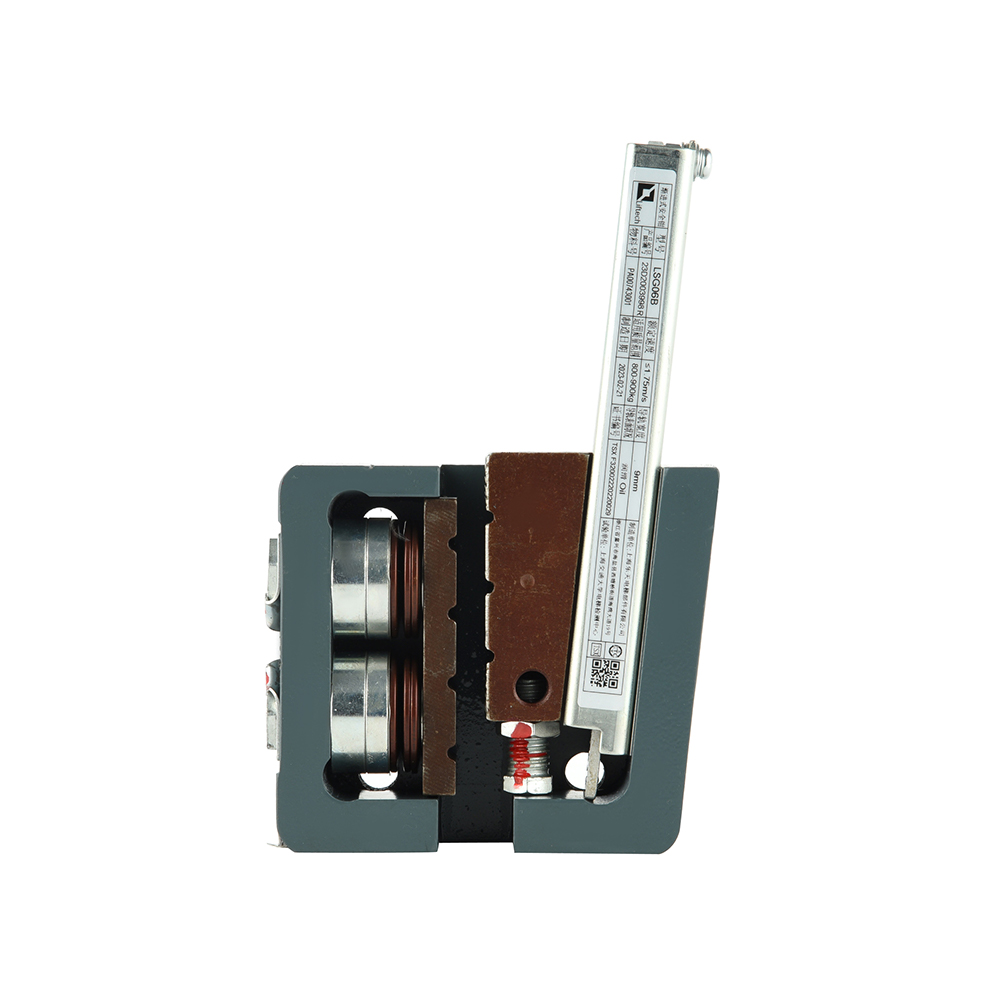
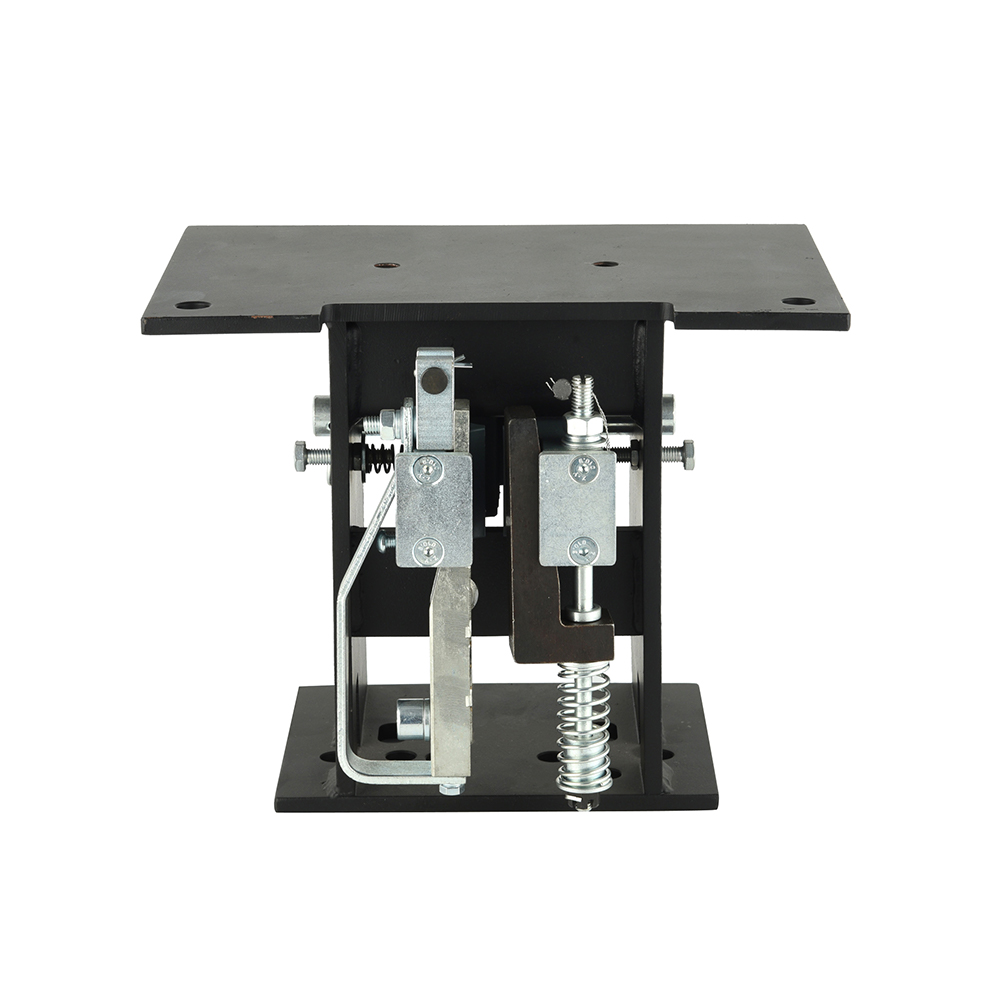
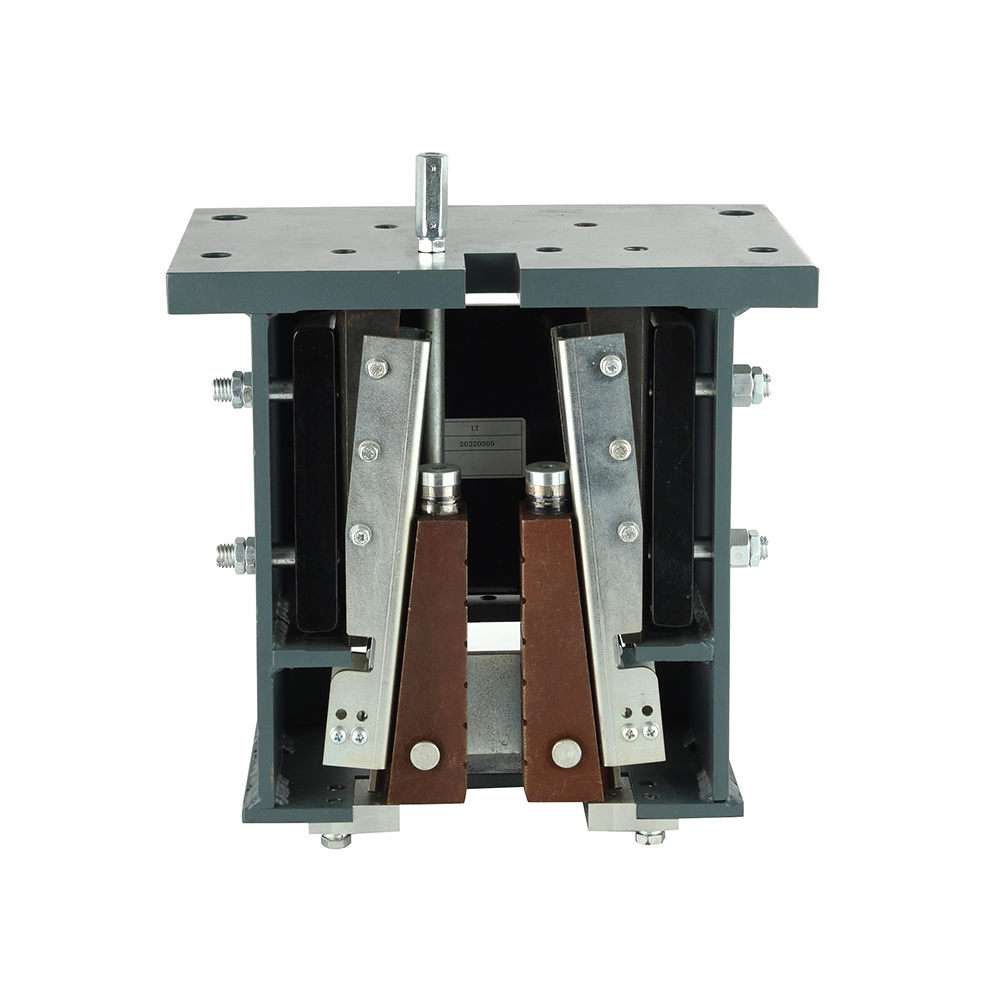
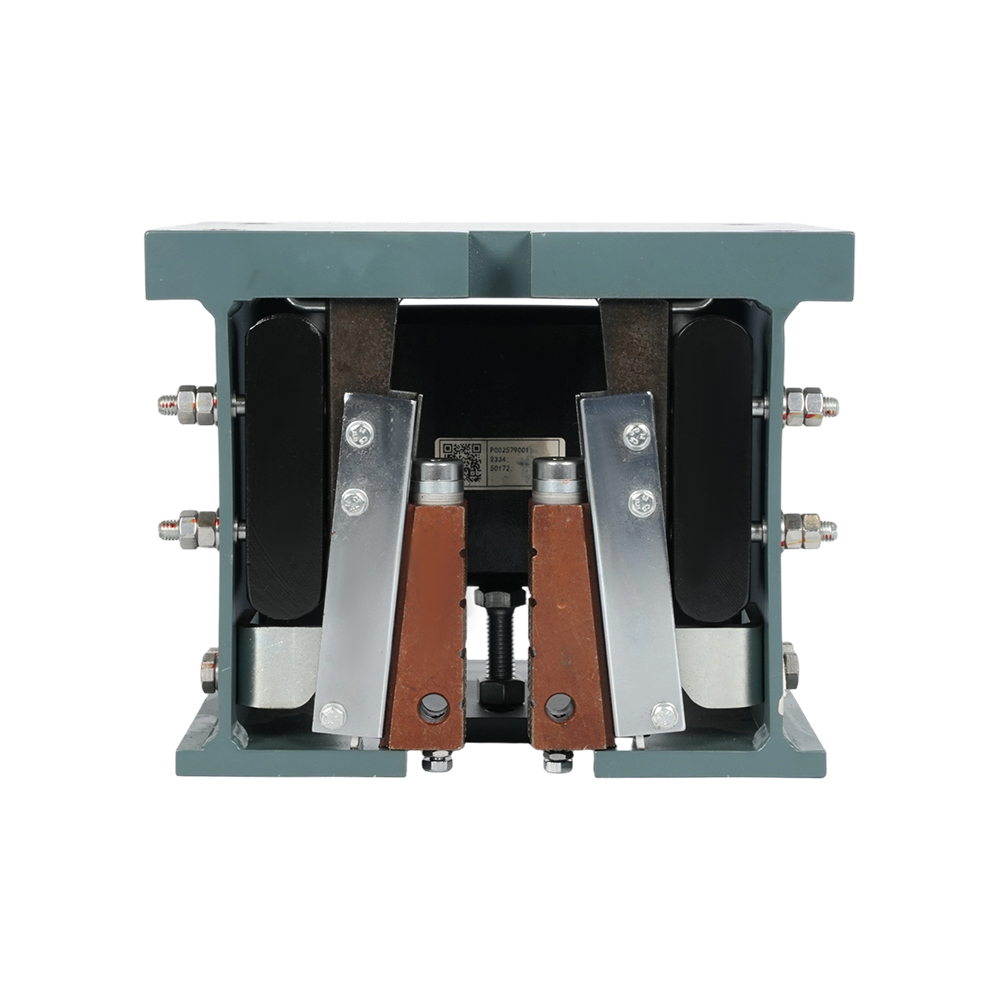
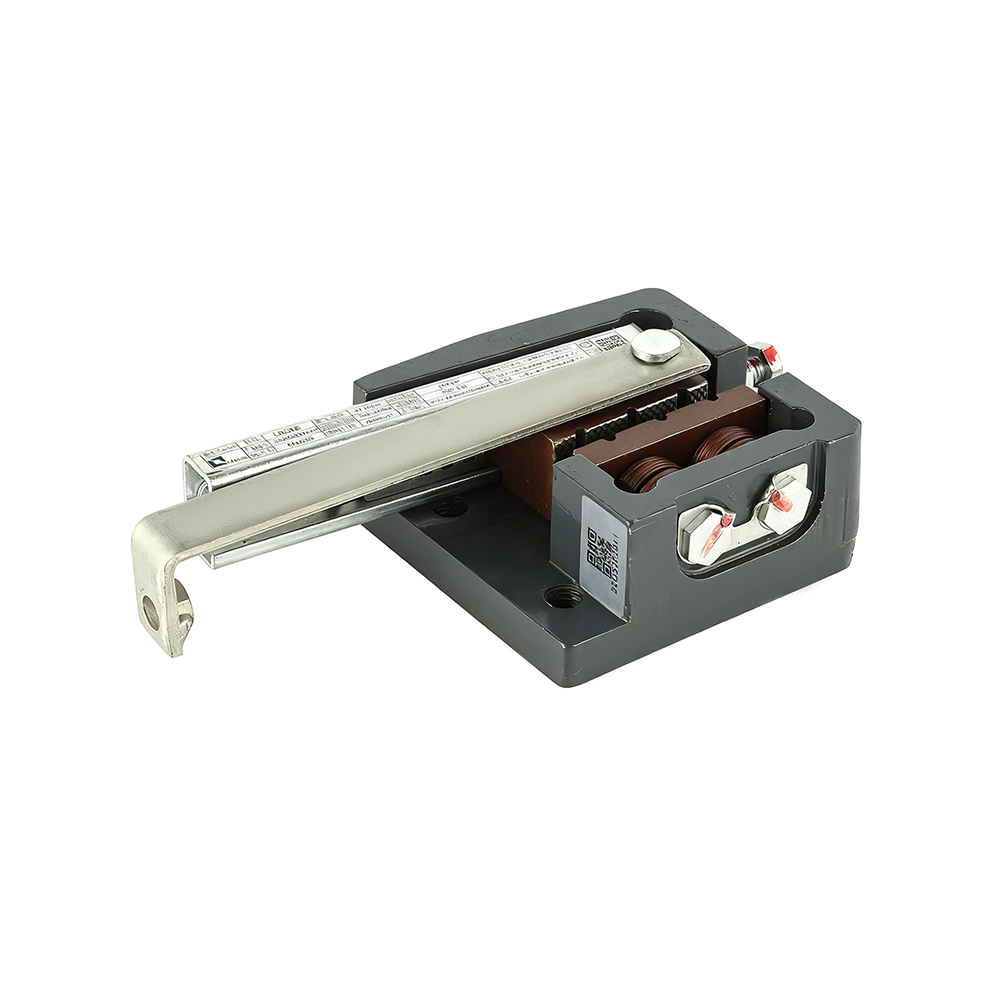
Eine progressive Fangvorrichtung ist eine mechanische Bremsvorrichtung, die unter der Aufzugskabine montiert ist und in die Führungsschienen eingreift, wenn die Kabine einen vorgegebenen Übergeschwindigkeitsschwellenwert überschreitet, typischerweise während eines unkontrollierten Abstiegs. Im Gegensatz zu einer festen Bremskraft, die das Fahrzeug sofort anhält, übt eine progressive Fangvorrichtung die Klemmkraft schrittweise aus und ermöglicht so eine kontrollierte Verzögerung über einen definierten Bremsweg. Diese Konstruktion begrenzt die Verzögerungskraft, die die Fahrgäste erfährt, und reduziert mechanische Stöße, die über den Fahrzeugrahmen, die Tragseile und die Gebäudestruktur übertragen werden.
Progressive Fangvorrichtungen sind in den meisten Aufzugsanlagen, die modernen Sicherheitsvorschriften unterliegen, eine erforderliche Komponente. Ihre Aktivierung ist direkt mit einem separaten Gerät namens Übergeschwindigkeitsbegrenzer verbunden, das die Kabinengeschwindigkeit unabhängig vom Hauptantriebssystem überwacht und die Fangvorrichtung mechanisch auslöst, wenn ein festgelegter Geschwindigkeitsschwellenwert überschritten wird.
Die Unterscheidung zwischen progressiven und anderen Arten von Fangvorrichtungen ist nicht nur eine Frage der Designvorlieben – sie spiegelt einen direkten technischen Zusammenhang zwischen Fahrzeuggeschwindigkeit, Verzögerungskraft und Passagiersicherheit wider. Bei höheren Betriebsgeschwindigkeiten erhöht sich die kinetische Energie einer unkontrollierten Talfahrt erheblich, und ein zu abruptes Anhalten des Fahrzeugs an diesem Punkt würde den Fahrzeugrahmen, das Aufhängungssystem und die Insassen Verzögerungskräften aussetzen, die weit über akzeptable Grenzen hinausgehen. Progressive Sicherheitsausrüstung begegnet diesem Problem, indem sie den Stoppvorgang über eine längere, kontrollierte Distanz ausdehnt, wodurch sich die gleiche Gesamtenergiedissipation über einen längeren Zeitraum und eine entsprechend geringere Spitzenkraft verteilt.
Wie fortschrittliche Sicherheitsausrüstung funktioniert
Erkennung von Übergeschwindigkeit
Der Begrenzer ist über eine Seilschlaufe mit der Kabine verbunden und dreht sich proportional zur Kabinengeschwindigkeit. Wenn die Geschwindigkeit den Nennschwellenwert überschreitet, wird der Reglermechanismus ausgelöst.
Engagement am Seil des Gouverneurs
Der ausgelöste Begrenzer greift an seinem Seil, das am Fangvorrichtungsgestänge der Kabine verankert ist, und wandelt die Abwärtsbewegung der Kabine in eine aktivierende Kraft um.
Keil- oder Rollenbetätigung
Die Aktivierungskraft hebt oder dreht die Keil- oder Rollenelemente der Fangvorrichtung und bringt sie in Kontakt mit den Führungsschienenoberflächen auf beiden Seiten der Kabine.
Progressive Klemmung
Die Spannkraft erhöht sich eher allmählich als augenblicklich, oft durch ein federbelastetes oder hydraulisches Dämpfungselement, was zu einer kontrollierten Verzögerung statt zu einem plötzlichen Stopp führt.
Kontrollierter Stopp
Die Kabine bremst innerhalb des berechneten Bremswegs sanft ab, bis sie vollständig zum Stillstand kommt. Anschließend setzt das Wartungspersonal den Mechanismus zurück, bevor der Aufzug wieder in Betrieb genommen wird.
Reset-Anforderung: Eine fortschreitende Aktivierung der Fangvorrichtung ist ein Schutzereignis und kein Routineereignis. Nach dem Auslösen sollte der Aufzug außer Betrieb bleiben, bis die Fangvorrichtung zurückgesetzt und von qualifiziertem Wartungspersonal überprüft wird. Außerdem sollte die Ursache für die Übergeschwindigkeit ermittelt werden, bevor das Gerät wieder in den Normalbetrieb übergeht.
Das Zurücksetzen einer progressiven Fangvorrichtung erfordert in der Regel entweder ein leichtes Anheben des Fahrkorbs, um den Klemmdruck zu lösen, oder, bei einigen Konstruktionen, das manuelle Zurückziehen des Keil- oder Rollenmechanismus mithilfe eines speziellen, vom Hersteller angegebenen Rücksetzverfahrens. Der Versuch, das Fahrzeug mit Antriebskraft zu bewegen, während die Fangvorrichtung eingerastet bleibt, kann zu zusätzlichen mechanischen Schäden führen. Aus diesem Grund muss bei Rücksetzverfahren immer die vollständige Freigabe des Mechanismus bestätigt werden, bevor der normale Betrieb wiederhergestellt wird.
Technische Spezifikationen und Leistungsfaktoren
| Parameter | Typischer Bereich | Relevanz |
|---|---|---|
| Nenngeschwindigkeit des Aufzugs | 1,0 – 7,0 m/s | Höhere Geschwindigkeiten erfordern im Allgemeinen eher eine progressive als eine sofortige Fangvorrichtung |
| Aktivierungsgeschwindigkeit (Übergeschwindigkeitsfahrt) | 115 % – 140 % der Nenngeschwindigkeit | Stellen Sie es entsprechend dem geltenden Aufzugscode und der Reglerkalibrierung ein |
| Bremsverzögerung | 0,2g – 1,0g | Der Fahrgastkomfort und die strukturellen Sicherheitsgrenzen müssen eingehalten werden |
| Kompatibilität mit Führungsschienen | T-förmige Führungsschienen aus Stahl, Standardprofilbreiten | Keil- und Rollengeometrie müssen zum jeweils verwendeten Schienenprofil passen |
| Nenntragfähigkeit | Abgestimmt auf die Nennlast des Fahrzeugs plus Sicherheitsmarge | Die Fangvorrichtung muss für die volle Nennlast dimensioniert sein, nicht für die durchschnittliche Betriebslast |
Die Verzögerungsrate ist eine der kritischeren Spezifikationen, die bei der Auswahl überprüft werden müssen, da eine zu aggressive Geschwindigkeit zu strukturellen Belastungen oder Verletzungen von Fahrgästen führen kann, während eine zu langsame Geschwindigkeit die Kabine möglicherweise nicht innerhalb des verfügbaren Schachtspielraums unterhalb der untersten Haltestelle anhalten kann.
Auch Baumaterialien spielen eine Rolle bei der Gesamtleistung und Lebensdauer. Keil- und Rollenelemente werden in der Regel aus gehärtetem Stahl oder speziellen Reibungslegierungen hergestellt, um bei wiederholten Aktivierungen eine gleichbleibende Klemmleistung ohne übermäßigen Oberflächenverschleiß aufrechtzuerhalten. Die Gehäuse- und Verbindungskomponenten bestehen im Allgemeinen aus geschmiedetem oder bearbeitetem Stahl, der aufgrund seiner strukturellen Steifigkeit unter den erheblichen mechanischen Belastungen, die während eines Aktivierungsereignisses entstehen, ausgewählt wird. Sofern Feder- oder hydraulische Dämpfungselemente verwendet werden, müssen sie regelmäßig überprüft werden, da ihr Zustand direkten Einfluss darauf hat, wie reibungslos die Klemmkraft während einer tatsächlichen Aktivierung ausgeübt wird.
Arten von Aufzugssicherheitsausrüstung
Aufzugsvorschriften erkennen im Allgemeinen eine kleine Anzahl unterschiedlicher Sicherheitsausrüstungskategorien an, die jeweils für einen anderen Geschwindigkeitsbereich und eine andere Anwendung geeignet sind.
| Typ | Bremswirkung | Typischer Geschwindigkeitsbereich |
|---|---|---|
| Sofortige Sicherheitsausrüstung | Bei Aktivierung wird sofort nahezu die volle Klemmkraft aufgebracht | Aufzüge mit niedriger Geschwindigkeit, im Allgemeinen unter 0,63 m/s |
| Sofort mit gepufferter Wirkung | Nahezu sofortige Klemmung mit zusätzlichem Dämpfungselement zur Abschwächung des Anschlags | Aufzüge mit mittlerer Geschwindigkeit |
| Progressive Sicherheitsausrüstung | Allmählich zunehmende Klemmkraft über einen kontrollierten Bremsweg | Aufzüge mit höherer Geschwindigkeit, im Allgemeinen über 1,0 m/s |
In der Praxis binden die meisten Aufzugsvorschriften den erforderlichen Fangvorrichtungstyp direkt an die Nenngeschwindigkeit der Kabine, was bedeutet, dass die Auswahl häufig durch die Geschwindigkeitsklassifizierung des Aufzugs und nicht durch eine offene Präferenz bei der Spezifikation bestimmt wird.
Es ist erwähnenswert, dass einige Vorschriften auch zwischen einer am Fahrzeug selbst angebrachten Fangvorrichtung und, in bestimmten Konfigurationen, einer separaten Gegengewicht-Fangvorrichtung unterscheiden. Während der Kernklemmmechanismus im Prinzip ähnlich ist, wird die Gegengewichts-Fangvorrichtung typischerweise unabhängig dimensioniert und kalibriert, basierend auf der Masse und den Bewegungseigenschaften des Gegengewichts und nicht auf der Nennlast der Kabine, und wird als eigenständige Komponente innerhalb des gesamten Aufzugssicherheitssystems spezifiziert.
Progressive vs. sofortige Sicherheitsausrüstung: Hauptunterschiede
Progressive Sicherheitsausrüstung
- Allmähliche, kontrollierte Verzögerung
- Niedrigere maximale mechanische Stoßbelastung auf Fahrzeug und Seile
- Geeignet für Aufzüge mit höherer Geschwindigkeit
- Komplexerer Mechanismus mit Dämpfungselementen
- Erfordert normalerweise häufigere Kalibrierungsprüfungen
Sofortige Sicherheitsausrüstung
- Schneller, nahezu sofortiger Stopp
- Höherer mechanischer Spitzenstoß bei Aktivierung
- Nur für Aufzüge mit niedriger Geschwindigkeit geeignet
- Einfachere mechanische Konstruktion
- Generell geringerer Wartungsaufwand
Der Hauptunterschied besteht darin, wie schnell die Spannkraft aufgebracht wird. Sofortige Konstruktionen sind mechanisch einfacher und für die geringeren Verzögerungskräfte bei niedrigen Kabinengeschwindigkeiten ausreichend. Der gleiche abrupte Stoppvorgang wird jedoch strukturell und physikalisch ungeeignet, sobald die Kabinengeschwindigkeit zunimmt, weshalb progressive Konstruktionen für die meisten Personen- und Lastenaufzüge mit mittlerer bis hoher Geschwindigkeit spezifiziert werden.
Es ist auch erwähnenswert, dass es sich bei den beiden Kategorien nicht einfach um austauschbare Upgrades oder Downgrades voneinander handelt. Bei einer progressiven Fangvorrichtung handelt es sich nicht einfach nur um eine sofortige Einheit mit zusätzlicher Dämpfung – der interne Mechanismus, das Aktivierungsgestänge und der Kalibrierungsprozess unterscheiden sich auf konstruktionsspezifische Weise. Dies bedeutet, dass die Nachrüstung einer bestehenden Anlage mit niedriger Geschwindigkeit mit progressiver Fangvorrichtung in der Regel eine umfassendere Kompatibilitätsprüfung und nicht einen direkten Austausch von Komponenten erfordert, insbesondere wenn das Führungsschienenprofil, die Reglerkalibrierung und der verfügbare Grubenabstand ursprünglich für ein Gerät vom Soforttyp spezifiziert wurden.
Anwendungsszenarien
- Personenaufzüge für Hochhäuser — wo höhere Nenngeschwindigkeiten eine allmähliche Verzögerung erforderlich machen, um den Fahrgastkomfort und die strukturellen Sicherheitsmargen aufrechtzuerhalten.
- Lasten- und Güteraufzüge — wo variable und oft schwerere Lasten eine Fangvorrichtung erfordern, die eher für Volllastbedingungen als für den durchschnittlichen Gebrauch ausgelegt ist.
- Aussichts- und Panoramaaufzüge — wo ein sanftes, kontrolliertes Anhalten aufgrund der offenen Sicht auf den Fahrzeuginnenraum besonders wichtig ist.
- Hochgeschwindigkeits-Service- und Geräteaufzüge – Wird in kommerziellen Türmen und Industrieanlagen eingesetzt, wo ein kontinuierlicher Hochgeschwindigkeitsbetrieb Standard ist.
In jedem dieser Szenarien ist die zugrunde liegende Anforderung dieselbe: Je höher die Nenngeschwindigkeit und die daraus resultierende kinetische Energie des Fahrzeugs, desto ausgeprägter wird der Bedarf an einem kontrollierten, allmählichen Stoppmechanismus. Anlagen mit gemischten Aufzugsflotten – zum Beispiel durch die Kombination von Serviceaufzügen mit niedrigerer Geschwindigkeit und Personenaufzügen mit höherer Geschwindigkeit – legen im selben Gebäude häufig unterschiedliche Arten von Fangvorrichtungen fest, die individuell auf die Nenngeschwindigkeit jedes Fahrkorbs abgestimmt sind, anstatt eine einzige Spezifikation für die gesamte Anlage anzuwenden.
Überlegungen zur Auswahl
- Bewertete Fahrzeuggeschwindigkeit — Bestätigen Sie, ob die geltenden Aufzugsvorschriften eine progressive statt einer sofortigen Fangvorrichtung bei der vorgesehenen Betriebsgeschwindigkeit erfordern.
- Nennlast — Die Fangvorrichtung muss für die volle Nennlast des Fahrzeugs dimensioniert sein, einschließlich aller in der geltenden Norm vorgeschriebenen Lastspanne.
- Führungsschienenprofil — Die Keil- oder Rollengeometrie muss mit dem im Schacht installierten spezifischen Führungsschienenabschnitt kompatibel sein.
- Kompatibilität der Reglerkalibrierung — Die Aktivierungsschwelle der Fangvorrichtung muss an die Auslösegeschwindigkeitseinstellung des Geschwindigkeitsbegrenzers für die jeweilige Installation angepasst sein.
- Verfügbarer Bremsweg — Der berechnete Bremsweg unter Volllast muss in den Schachtgrubenabstand unterhalb der untersten Haltestelle passen.
Diese Faktoren wirken selten unabhängig voneinander. Eine Änderung der Nennlast wirkt sich beispielsweise auf die erforderliche Bremskraft aus, die sich wiederum auf den berechneten Bremsweg und möglicherweise auf den erforderlichen Grubenabstand auswirkt. Aus diesem Grund wird die Spezifikation der Fangvorrichtung im Allgemeinen als Teil des gesamten Entwurfs des Aufzugssystems behandelt und nicht als eigenständige Komponentenentscheidung, die erst dann getroffen wird, wenn der Rest der Installation bereits abgeschlossen ist.
Installations-, Test- und Wartungsempfehlungen
Progressive Fangvorrichtungen sollten mit einer präzisen Ausrichtung zwischen dem Keil- oder Rollenmechanismus und den Führungsschienenoberflächen installiert werden, da bereits geringfügige Fehlausrichtungen zu einer ungleichmäßigen Verteilung der Klemmkraft während der Aktivierung führen können. Die Erstinbetriebnahme umfasst typischerweise einen kontrollierten Übergeschwindigkeitstest, der unter definierten Last- und Geschwindigkeitsbedingungen durchgeführt wird, um zu bestätigen, dass die Fangvorrichtung innerhalb des angegebenen Verzögerungsbereichs aktiviert wird, bevor der Aufzug in den regulären Betrieb genommen wird.
Zu den routinemäßigen Wartungsarbeiten gehören regelmäßige Inspektionen der Keil- oder Rollenoberflächen auf Verschleiß, die Überprüfung, ob sich der Verbindungsmechanismus frei und ohne Blockierung bewegt, sowie die Bestätigung, dass das Begrenzerseil und seine Verbindung zur Fangvorrichtung ordnungsgemäß gespannt bleiben. Viele Gerichtsbarkeiten verlangen regelmäßige Tests auf Übergeschwindigkeit in festgelegten Abständen während der gesamten Lebensdauer des Aufzugs, nicht nur bei der Erstinstallation, um sicherzustellen, dass die Fangvorrichtung weiterhin innerhalb ihrer Nennparameter funktioniert, auch wenn die Komponenten mit der Zeit verschleißen.
Die Schmierung der Gestänge- und Drehpunkte sollte sich an den vom Hersteller angegebenen Zeitplan und Schmiermitteltyp halten, da eine Überschmierung Ablagerungen anziehen kann, die die Bewegung des Mechanismus behindern, während eine Unterschmierung den Verschleiß an den Drehgelenkflächen beschleunigt. Wartungsaufzeichnungen, die Inspektionstermine, Testergebnisse und jeden Komponentenaustausch dokumentieren, bieten einen nützlichen Verlauf zur Identifizierung allmählicher Leistungsabweichungen, die bei einer einzelnen Inspektion allein möglicherweise nicht erkennbar sind.
Nach jeder Aktivierung der Fangvorrichtung, sei es während der Prüfung oder bei einem tatsächlichen Übergeschwindigkeitsereignis, sollten die Oberflächen der Führungsschiene, die mit den Keil- oder Rollenelementen in Kontakt gekommen sind, ebenfalls auf Riefen oder Verformungen untersucht werden, da Schäden an der Schienenoberfläche die Leistung nachfolgender Aktivierungen beeinträchtigen können, selbst wenn der Fangvorrichtungsmechanismus selbst innerhalb der Spezifikation getestet wird.
Häufige Fehler und übersehene Überlegungen
- Der Typ der Fangvorrichtung stimmt nicht mit der Geschwindigkeit des Fahrzeugs überein – Die Installation einer sofortigen Fangvorrichtung an einem Aufzug, der für eine Geschwindigkeit ausgelegt ist, die progressive Maßnahmen erfordert, stellt ein Problem bei der Einhaltung von Vorschriften und ein echtes Sicherheitsrisiko dar.
- Unter Berücksichtigung der Kompatibilität der Führungsschienenprofile — Fangvorrichtungen, die für ein Schienenprofil ausgelegt sind, klemmen nicht richtig an einem anderen Profil, selbst wenn die Nennschienengröße ähnlich erscheint.
- Vorausgesetzt, die Kalibrierung von Begrenzer und Fangvorrichtung bleibt auf unbestimmte Zeit aufeinander abgestimmt — Durch mechanische Abnutzung im Laufe der Zeit können sich die Aktivierungsschwellen verschieben, sodass regelmäßige Neukalibrierungsprüfungen erforderlich und nicht optional sind.
- Die erforderliche Grubenfreiheit wird unterschätzt — Eine unzureichende Schachtgrubentiefe für den berechneten Bremsweg kann den Sicherheitsspielraum beeinträchtigen, den das System bieten soll.
- Verschiebung der Inspektion nach der Aktivierung — Die Wiederinbetriebnahme eines Aufzugs nach der Aktivierung einer Fangvorrichtung ohne eine vollständige Inspektion sowohl des Mechanismus als auch der betroffenen Führungsschienenoberflächen kann sich entwickelnde Probleme verschleiern, die die Leistung bei einem zukünftigen Ereignis beeinträchtigen.
Viele dieser Probleme haben eine gemeinsame Ursache: Die Spezifikation und Wartung der Fangvorrichtung wird als mechanische Standardkomponente behandelt und nicht als System, dessen Leistung von der korrekten Interaktion zwischen mehreren separat spezifizierten Teilen abhängt, darunter dem Begrenzer, den Führungsschienen und dem Fangvorrichtungsmechanismus selbst. Die gemeinsame Überprüfung dieser Komponenten sowohl bei der Erstspezifikation als auch während der laufenden Wartung führt zu einem zuverlässigeren Ergebnis als die isolierte Bewertung jedes Teils.
Wer verwendet Aufzugssicherheitsausrüstung und wann gilt sie?
Aufzugssicherheitsausrüstung wird von Aufzugsherstellern, Installationsunternehmen und Bauingenieuren spezifiziert, die für die Einhaltung der geltenden Aufzugssicherheitsvorschriften verantwortlich sind, und ist ein obligatorischer Bestandteil praktisch aller Traktionsaufzüge sowie vieler hydraulischer Personen- und Lastenaufzugsanlagen. Progressive Sicherheitsausrüstung kommt insbesondere überall dort zum Einsatz, wo die Nenngeschwindigkeit der Kabine den in der geltenden Norm für Vorrichtungen des Soforttyps festgelegten Schwellenwert überschreitet, der in den meisten Gerichtsbarkeiten die Mehrheit der Personenaufzüge mittlerer und hoher Höhe abdeckt.
Progressive Fangvorrichtungen sind in der Regel nicht für Anwendungen mit sehr niedrigen Geschwindigkeiten spezifiziert, wie z. B. kleine Plattformaufzüge, die weit unterhalb der Geschwindigkeitsschwelle arbeiten und eine allmähliche Verzögerung erfordern, wo sofortige Fangvorrichtungen oder alternative Schutzvorrichtungen möglicherweise geeigneter und kostengünstiger sind. Die Bestimmung, welche Kategorie für eine bestimmte Installation gilt, hängt von der Nenngeschwindigkeit, der Kabinenkonfiguration und den Anforderungen der geltenden Aufzugssicherheitsvorschriften für die betreffende Gerichtsbarkeit ab.
Obwohl Gebäudeeigentümer und Facility Manager in der Regel nicht direkt in den technischen Spezifikationsprozess involviert sind, profitieren sie von einem Verständnis der allgemeinen Rolle, die Sicherheitsausrüstung innerhalb eines Aufzugssystems spielt, insbesondere bei der Bewertung von Modernisierungsprojekten oder der Überprüfung von Empfehlungen von Wartungsunternehmen. Die Erkenntnis, dass sich ein regelmäßiger Übergeschwindigkeitstest oder ein empfohlener Komponentenaustausch direkt auf ein zentrales Sicherheitssystem und nicht auf einen diskretionären Wartungspunkt bezieht, unterstützt fundiertere Entscheidungen bei der Abwägung von Wartungs- und Modernisierungsbudgets für das gesamte Aufzugsportfolio eines Gebäudes.
Branchentrends und Zukunftsaussichten
Sicherheitsvorschriften für Aufzüge legen weiterhin größeren Wert auf die elektronische Überwachung, die neben der mechanischen Sicherheitsausrüstung integriert ist, einschließlich Sensoren, die Verschleißmuster und Aktivierungshistorie verfolgen, um eine vorausschauende Wartungsplanung zu unterstützen, anstatt sich ausschließlich auf feste Inspektionsintervalle zu verlassen. Darüber hinaus wird die Dämpfungstechnologie in progressiven Fangvorrichtungsmechanismen weiter verfeinert, um die Verzögerungskurve weiter zu glätten und den Passagierkomfort während der Aktivierung zu verbessern, ohne die Bremsleistung zu beeinträchtigen. Da Gebäudehöhen und Aufzugsgeschwindigkeiten im dichten Stadtbau weiter zunehmen, wird die Nachfrage nach fortschrittlicher Sicherheitsausrüstung für höhere Geschwindigkeits- und Lastkombinationen voraussichtlich ein konstanter Faktor bei der Spezifikation von Aufzugskomponenten bleiben.
Materialfortschritte wirken sich auch auf die Konstruktion von Fangvorrichtungen aus. Neuere Reibungslegierungsformulierungen zielen darauf ab, eine konstante Klemmleistung über einen größeren Bereich von Umgebungsbedingungen aufrechtzuerhalten, einschließlich Temperatur- und Feuchtigkeitsschwankungen, die sich ansonsten auf die Reibungskoeffizienten an den Keil- oder Rollenkontaktflächen auswirken können. In Kombination mit einer präziseren Reglerkalibrierungstechnologie verengen diese Entwicklungen schrittweise den Toleranzbereich zwischen den erforderlichen Aktivierungsschwellenwerten und der tatsächlichen Feldleistung und unterstützen konsistentere Sicherheitsmargen bei großen Aufzugsanlagen und Portfolios mit mehreren Gebäuden.
Fazit
Progressive Fangvorrichtungen spielen in Aufzugssicherheitssystemen eine definierte und durch Vorschriften gesteuerte Rolle. Sie sorgen für eine kontrollierte, allmähliche Verzögerung bei Aufzügen, die mit Geschwindigkeiten betrieben werden, bei denen ein sofortiges Anhalten ein inakzeptables Risiko für Mechanik und Passagiere mit sich bringen würde. Das Verständnis, wie der Mechanismus aktiviert wird, wie er sich von Momentankonstruktionen unterscheidet und welche technischen Spezifikationen seine Auswahl bestimmen, ermöglicht eine genauere Spezifikation und einen sichereren Langzeitbetrieb bei Personen-, Fracht- und Spezialaufzugsanlagen.
Häufig gestellte Fragen
Was ist eine progressive Sicherheitsausrüstung?
Eine progressive Fangvorrichtung ist eine mechanische Vorrichtung, die unter einer Aufzugskabine montiert ist und sich nach und nach an den Führungsschienen festklemmt, um die Kabine kontrolliert anzuhalten, wenn sie einen festgelegten Übergeschwindigkeitsschwellenwert überschreitet, anstatt sie abrupt anzuhalten.
Was ist die Sicherheitsausrüstung in einem Aufzug?
Bei der Fangvorrichtung eines Aufzugs handelt es sich um einen Bremsmechanismus, der durch einen Geschwindigkeitsbegrenzer aktiviert wird und in die Führungsschienen eingreift, um die Kabine bei einem unkontrollierten Abstieg anzuhalten. Es fungiert als mechanische Unterstützung für die primären Antriebs- und Bremssysteme des Aufzugs.
Wie viele Arten von Sicherheitsausrüstung gibt es in einem Aufzug?
Aufzugsvorschriften unterscheiden im Allgemeinen drei Hauptkategorien: unverzögerte Fangvorrichtungen, unverzögerte Fangvorrichtungen mit Pufferwirkung und progressive Fangvorrichtungen, wobei der anwendbare Typ weitgehend von der Nenngeschwindigkeit des Aufzugs bestimmt wird.
Was ist der Unterschied zwischen sofortiger und progressiver Fangvorrichtung?
Die sofortige Fangvorrichtung übt bei Aktivierung sofort die nahezu volle Klemmkraft aus und sorgt so für einen schnellen Stopp, der für langsam fahrende Aufzüge geeignet ist. Die progressive Fangvorrichtung übt die Klemmkraft schrittweise über einen kontrollierten Bremsweg aus und sorgt so für eine sanftere Verzögerung, die für Aufzüge mit höherer Geschwindigkeit geeignet ist.
Wer nutzt die Aufzugsicherungsausrüstung?
Aufzugssicherheitsausrüstung wird von Aufzugsherstellern und Auftragnehmern gemäß den geltenden Sicherheitsvorschriften spezifiziert und installiert und ist in praktisch allen Personen- und Lastenaufzügen vorhanden, die oberhalb der von Sofortgeräten abgedeckten Niedriggeschwindigkeitsschwelle betrieben werden.
Wann sollte eine progressive Fangvorrichtung verwendet werden und wann nicht?
Progressive Fangvorrichtungen sollten bei Aufzügen verwendet werden, deren Nenngeschwindigkeiten über dem in der geltenden Norm für Vorrichtungen vom Soforttyp festgelegten Schwellenwert liegen, was typischerweise für die meisten Personen- und Lastenaufzüge mit mittlerer und hoher Geschwindigkeit gilt. Bei Anwendungen mit sehr niedriger Geschwindigkeit, wie z. B. kleinen Plattformaufzügen, ist dies im Allgemeinen nicht erforderlich, wo eine sofortige Sicherheitsausrüstung ausreichend und kostengünstiger sein kann.